Loans
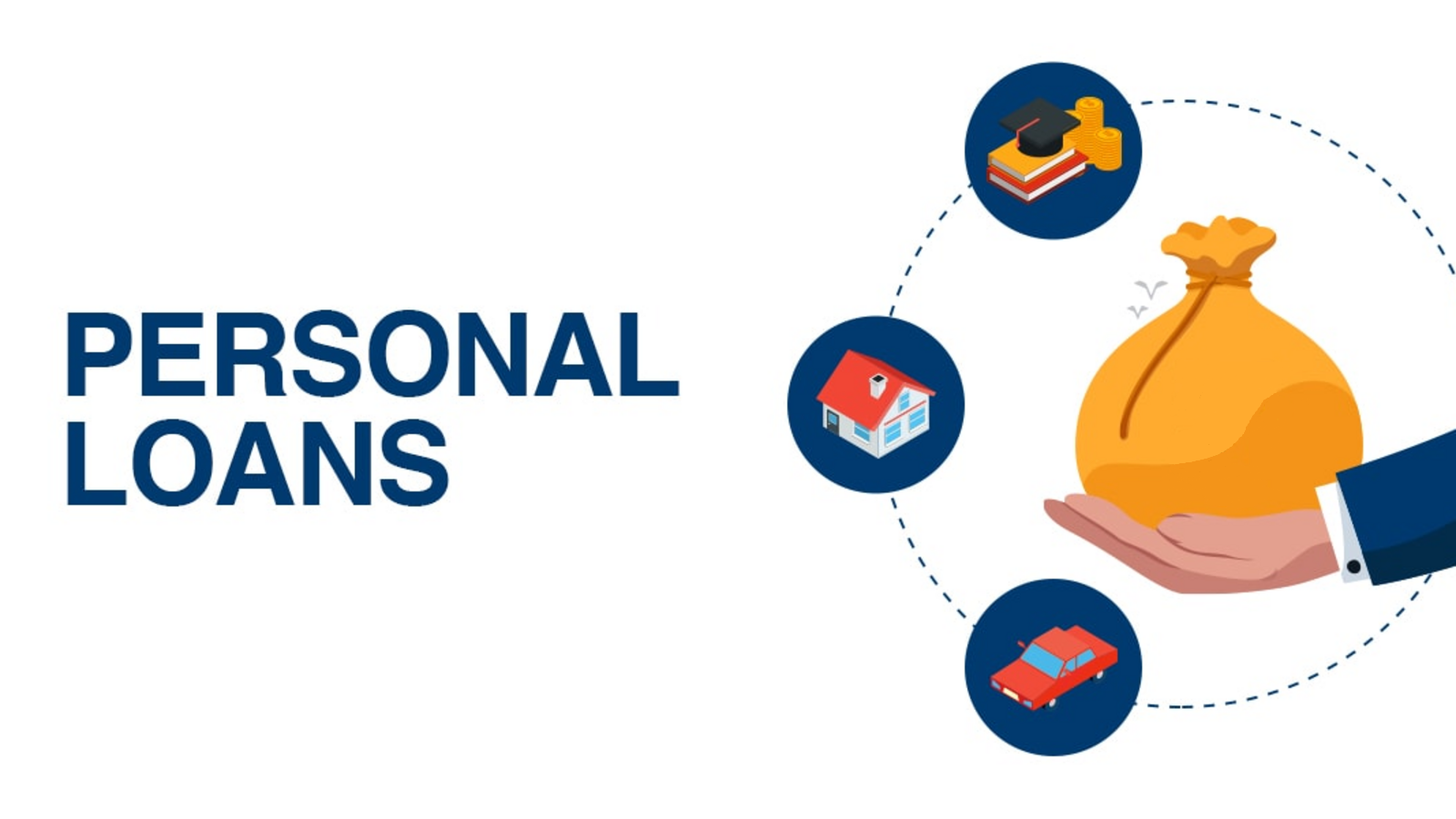

If you're looking to finance a major purchase or consolidate debts, choosing the right loan can be the key to success. Understanding the specific characteristics of various types of loans not only empowers you to make informed decisions but also helps you maximize the benefits and minimize potential pitfalls. Each loan type offers unique terms and conditions, influenced by factors such as interest rates, repayment timelines, and borrower eligibility requirements, which ultimately affect your financial planning.
A home mortgage is typically the largest loan that most individuals will consider. These loans are secured, meaning they are backed by the property being purchased. The key factor here is the interest rate, which can be fixed or adjustable, affecting the total payment over time. Understanding the differences between a 15-year fixed-rate mortgage and a 30-year adjustable-rate mortgage, for example, can save you thousands of dollars over the life of the loan.
When planning for education, student loans are a common go-to. Federal student loans often have more favorable terms compared to private ones, such as lower interest rates or flexible repayment options. It's important to explore the various repayment plans, as options like income-driven repayment can significantly lessen the burden on recent graduates.
For smaller, more immediate needs, personal loans offer a flexible solution. Whether unsecured or secured, personal loans can be used for anything from home renovations to medical expenses. Keeping an eye on the interest rate and fees associated with personal loans ensures that they remain a viable option without becoming a financial strain.
Lastly, credit card loans, typically in the form of cash advances, offer the quickest access to funds. The trade-off is usually higher interest rates and fees, making them best-suited for short-term needs only. Proper management and prompt repayment of these debts can help maintain financial stability.
Selecting the appropriate type of loan involves assessing your current financial situation, understanding your goals, and considering the terms and conditions associated with each option. By choosing wisely, you can achieve your objectives while maintaining a healthy financial outlook.
Comparing Secured and Unsecured Loans
When deciding between secured and unsecured loans, prioritize your financial situation and risk tolerance. Secured loans require collateral, which can lead to lower interest rates. Typical examples include mortgages and auto loans, where the property or vehicle secures the debt. They offer benefits such as higher borrowing limits and longer repayment terms.
Unsecured loans do not require collateral, making them riskier for lenders and often resulting in higher interest rates. Common options are personal loans and credit cards. Despite these loans usually being easier and faster to obtain, they tend to have lower borrowing limits and might impact your credit score more significantly if not managed properly.
- Interest Rates: Secured loans generally offer more favorable rates due to the reduced risk for lenders.
- Collateral Requirement: Be prepared to pledge assets for secured loans, while unsecured loans avoid this condition.
- Credit Score Impact: Unsecured loans might depend more heavily on your creditworthiness, potentially causing greater changes in your credit score based on your payment history.
- Approval Process: Secured loans often require a more thorough approval process, whereas unsecured loans benefit from quicker approvals but demand higher credit scores.
Choosing the Right Loan
Assess your financial capabilities and future plans, considering possible changes in your circumstances. Opt for a secured loan if you have collateral and want lower rates and higher borrowing limits. If quick access to funds and no collateral requirements appeal to you, an unsecured loan might be more appropriate, provided you can manage potentially higher costs.
Pros and Cons Summary
- Secured Loans: Pros include lower interest rates and higher limits, but cons include the risk of losing collateral if unable to repay.
- Unsecured Loans: Pros include no collateral requirement and faster access to funds, with cons such as higher interest rates and lower borrowing limits.
Choose wisely by evaluating these aspects, ensuring alignment with your financial goals and repayment capabilities.
How Interest Rates Affect Loan Costs
Choose loans with lower interest rates to reduce overall borrowing costs. Even a slight difference can significantly impact the total repayment amount over time. For instance, a loan of $10,000 at 5% annual interest for five years results in roughly $1,322 in interest charges. If the rate increases to 7%, interest payments rise to approximately $1,908. Therefore, always look for the most competitive rates.
Assessing Fixed vs. Variable Rates
Fixed rates provide stability, making budgeting predictable as the rate remains unchanged throughout the loan term. On the other hand, variable rates fluctuate based on market conditions. While they may start lower than fixed rates, there's a risk of increase, raising monthly payments. Evaluate your risk tolerance and financial situation when deciding between the two.
Impact on Loan Terms and Conditions
Higher interest rates often translate to longer repayment terms or necessitate larger monthly payments to manage the increased cost. Be cautious of loans with enticingly low initial rates but variable structures that may increase without notice. Know your loan's terms completely to avoid unexpected adjustments, ensuring you remain financially comfortable throughout the loan duration.
Determining Loan Eligibility and Requirements
Evaluate your credit score to get a clear picture of your loan eligibility. A higher credit score often leads to better loan terms, including lower interest rates. You can obtain your credit report from recognized agencies to understand your current standing and identify any possible areas for improvement.
Review Income and Employment Status
Loan providers typically require proof of stable income. Gather recent pay stubs, tax returns, and any additional income documentation to verify your ability to repay the loan. If you're self-employed, provide detailed financial statements to enhance credibility.
Analyze Debt-to-Income Ratio
Calculate your debt-to-income (DTI) ratio by dividing your total monthly debt payments by your gross monthly income. A lower DTI indicates a healthy balance between income and debt, increasing your likelihood of loan approval. Most lenders prefer a DTI of 36% or lower.
Examine Loan Specific Requirements: Different loan types have unique eligibility criteria. For example, mortgage loans might require a certain down payment percentage, whereas student loans might need enrollment verification. Always check with your lender for precise documentation needed.
Tip: Prepare additional information, such as references, that might support your application. Being thorough will build lender confidence and might expedite the approval process.
The Impact of Loan Terms on Repayment Strategies
Choose a loan term that complements your financial situation. Shorter terms mean higher monthly payments but significantly less interest over the life of the loan. For example, a $20,000 loan at 5% interest for three years requires monthly payments of approximately $599, while extending it to five years reduces this to about $377, increasing overall interest.
Evaluating Loan Length
Assess your ability to handle monthly obligations comfortably before locking into a term. A shorter period not only saves money on interest but also builds equity faster in the case of asset-backed loans, like mortgages. Conversely, longer periods might suit those requiring smaller payments, but expect to pay more interest in total.
The Role of Flexible Repayment Options
Look for loans offering flexible repayment terms. Options like bi-weekly payments, lump-sum payments, or early payoff without penalties can reduce interest burden. Calculate how more frequent installments or additional principal payments impact overall cost. Below is a table demonstrating potential savings with different payment strategies:
Strategy Monthly Payment Total Interest Payoff Time Standard Monthly $377 $2,620 5 years Bi-weekly Payments $189 (every two weeks) $2,310 4.5 years Monthly + Extra Annual Payment $377 + $500 $2,280 4.3 years Consider the possibility of refinancing if initial terms become burdensome or if interest rates drop significantly. Ensure you weigh the costs of refinancing against expected benefits. By understanding how loan terms influence repayments, you create a strategy aligned with your financial goals, helping secure a more stable financial future.
Identifying the Best Loan for Small Business Needs
Select a loan that directly aligns with your business goals. Short-term loans are ideal for immediate working capital with quick, efficient funding. Consider them if you manage seasonal sales fluctuations or require funds for a specific project.
For larger investments like purchasing equipment or real estate, term loans provide lump-sum financing with predictable monthly payments. They suit mature businesses with consistent cash flows, aiding long-term growth without cash flow disruption.
If you prioritize flexibility, a business line of credit functions like a financial safety net. Draw funds as needed up to your credit limit, paying interest only on the amount used. This option is particularly beneficial for ongoing operational expenses.
Startups might explore alternative lending solutions such as microloans or crowdfunding. These sources provide capital access with relatively lenient eligibility criteria, assisting in overcoming the hurdles of limited credit history.
Ensure a thorough review of all terms, fees, and conditions to avoid unexpected costs, and consult financial advisors to ensure alignment with your strategic financial objectives. Evaluating the purpose, amount, and duration of financing needed guides your choice towards the most beneficial loan type.
Navigating the Loan Application Process
Begin with thorough research to identify lenders offering loan products that align with your financial goals. Use those insights to compile a list of potential lenders.
Next, gather all required documentation. Commonly needed documents include proof of income, tax returns, identity verification, and recent bank statements. These ensure a smoother process with fewer delays.
Check your credit score. A higher score enhances your eligibility and may secure favorable terms. If necessary, take steps to improve it before applying, such as paying down existing debt or correcting any inaccuracies in your credit report.
Proceed to fill out the application form accurately. Ensure every detail matches the documentation provided, especially personal information and financial history, to avoid application rejection.
Consider the loan's annual percentage rate (APR), not just the interest rate. This comprehensive rate includes fees and provides a clearer picture of the total borrowing cost.
Prepare for a potential interview with the lender. Be ready to discuss your financial situation clearly and answer questions about your income, employment, and repayment capacity.
Finally, review the terms and conditions thoroughly. Pay attention to repayment schedules, early repayment penalties, or any hidden fees. Seeking professional advice can be beneficial to understand complex terms.
Once confident, submit your application promptly. Responsiveness can show the lender your commitment and speed up the decision-making process.